Reading time ca. 12 minutes
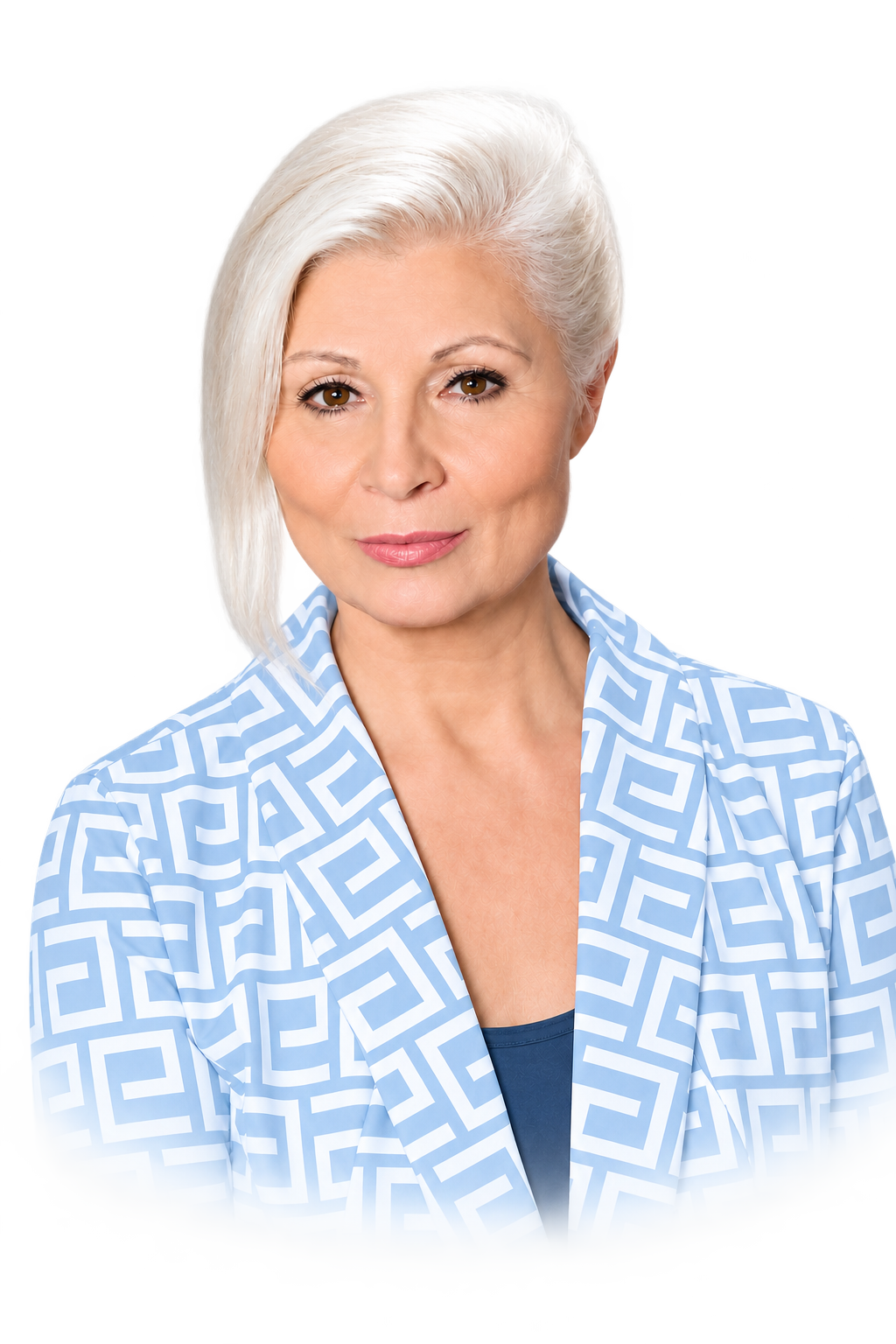
Reviewed by Helga Maria Freitag – medical foot care / podiatrist, sector-restricted naturopath for podiatry and specialist in cryotherapy / cold therapy
Published: · last reviewed:
It is a familiar feeling for many. Just as you recover from one bout of sneezing, coughing and fatigue, another seems to be waiting around the corner. The cycle of catching cold after cold can be deeply frustrating, disrupting your work, your family life and your ability to enjoy the simple pleasures of a walk through Memmingen or a weekend in the Allgäu hills. This pattern of recurrent infections often leads people to seek ways to feel more robust and resilient. While there is no magic bullet, a holistic approach combining established medical advice with supportive wellness practices, such as whole-body cold therapy, is an area of growing interest.
The Relentless Cycle of Colds
A frequent cold sufferer often feels as though their immune system is constantly under siege. You might feel you catch every virus that goes around the office or your child's nursery. The pattern typically involves more than three or four colds per year for an adult, with each one seeming to linger or lead directly into the next. This is not just an inconvenience; it can lead to a state of chronic fatigue, a feeling of being perpetually run-down, and a sense of frustration that your body is not coping as well as it should.
This experience can be physically and mentally draining. You might start to dread the changing seasons, cancel social plans preemptively, or feel anxious about being in crowded places. The constant need to rest and recover can impact your fitness goals, your professional productivity and your general sense of wellbeing. It is a common problem, and understanding its roots is the first step toward addressing it.
Understanding the Common Cold
To understand why you might be getting frequent colds, it helps to understand what a cold actually is. The common cold is not a single entity but a viral infection of your upper respiratory tract, including your nose and throat. Over 200 different viruses can cause a cold, but rhinoviruses are the most common culprits.
When one of these viruses enters your body, your immune system mounts a defence. It is this immune response, not the virus itself, that causes most of your symptoms. Your body increases blood flow to the infected area, causing inflammation and swelling in your nasal passages. It releases chemicals like histamines, which lead to a runny nose and sneezing, and prostaglandins, which can cause aches and a mild fever. This complex cascade is your body's attempt to trap and eliminate the invading pathogen.
An adult with a typically functioning immune system will usually overcome a cold virus in seven to ten days. The immune system then creates memory cells, which provide some protection against that specific strain of virus in the future. However, because there are so many different cold viruses, you can easily be infected by a new one shortly after recovering from the last.
Why Do Some People Seem to Catch Everything?
If you are experiencing more colds than average, it is rarely a sign of a serious underlying immune deficiency, though this should always be ruled out by a medical professional. More often, a combination of lifestyle and environmental factors can make you more susceptible.
- Stress: Chronic psychological stress is a well-documented factor. It can lead to elevated levels of the hormone cortisol, which over time can suppress the effectiveness of the immune system's response.
- Lack of Sleep: Sleep is a critical time for immune regulation and restoration. Consistently getting less than seven hours of quality sleep a night can significantly impair your body's ability to fight off infection.
- Poor Nutrition: A diet lacking in essential vitamins and minerals, particularly vitamins C and D and the mineral zinc, can compromise immune function.
- Exposure: Your environment plays a huge role. Working in a large open-plan office, having children in daycare, or being a frequent user of public transport simply increases your exposure to viruses.
- Dehydration: Adequate fluid intake is important for maintaining healthy mucous membranes in your nose and throat, which act as a first line of defence against pathogens.
Addressing these foundational aspects of health is the most important step you can take. No supportive therapy can compensate for a fundamental lack of sleep or a highly stressful lifestyle.
The Conventional Approach: Medical Advice and Self-Care
When you visit your doctor about frequent colds, they will first want to rule out any other underlying conditions. They may ask detailed questions about your lifestyle, check for signs of allergies which can mimic cold symptoms, or in some cases, order blood tests.
For the common cold itself, there is no cure. As it is a viral infection, antibiotics are ineffective and should not be used. The standard medical advice centres on managing symptoms and supporting your body's natural healing process. This includes:
- Rest, to conserve energy for the immune response.
- Staying hydrated with water, herbal teas or broths.
- Using over-the-counter remedies like paracetamol or ibuprofen to manage aches and fever.
- Employing decongestants or saline nasal sprays to ease breathing.
A doctor will advise you to seek further help if you develop a very high or persistent fever, have difficulty breathing, or if your symptoms worsen significantly after a week, as this could indicate a secondary bacterial infection like sinusitis or bronchitis, which may require different treatment.
Your First Session: What to Expect in the Cold Chamber
Integrating whole-body cold application into your wellness routine begins with your first visit to our studio in Memmingen. The experience is designed to be straightforward, safe and invigorating. On arrival, you will be guided through the entire process by our trained staff. You will complete a health questionnaire to ensure there are no contraindications for you.
You will then change into appropriate attire: swimwear or comfortable shorts, along with the protective gloves, socks, shoes and a headband we provide to protect your extremities. The first step is into the pre-chamber, which is typically set to around -60 °C. You will spend about 30 seconds here, allowing your body to begin its acclimatisation to the cold.
Next, you will step into the main chamber, where the air is a dry, crisp -110 °C. The cold is intense but, because of the very low humidity, it is not the biting, damp cold you might associate with a winter's day. It is often described as a tingling, static feeling on the skin. You will stay in this chamber for a maximum of three minutes, moving slowly and breathing normally. Our staff are in constant visual and verbal contact with you throughout.
Immediately after exiting, your skin will feel cold to the touch, but a sensation of warmth will quickly spread through your body. Many people report feeling a rush of endorphins, leaving them feeling energised, alert and refreshed. This entire process, from changing to completion, is quick and can be easily fitted into a busy day.
How Might Whole-Body Cold Therapy Support Your Resilience?
It is essential to be clear: whole-body cold therapy is not a treatment or cure for the common cold. It is a wellness application that is being explored for its potential supportive role within a healthy lifestyle. The interest in its connection to general resilience stems from the physiological responses it triggers. The extreme cold acts as a powerful, short-lived physical stressor. In response, your body initiates a complex set of adaptive reactions.
The primary focus of research is on the body's inflammatory and antioxidant systems. When you have a cold, inflammation is a key part of the immune response, but chronic, low-grade inflammation is also linked with stress and other lifestyle factors that can lower your resilience. The theory being investigated is whether regular, brief exposure to extreme cold might help the body regulate its inflammatory processes more efficiently [1, 7]. Similarly, the cold stimulus appears to affect the balance between oxidative stress, a form of cellular damage, and the body's own antioxidant defences [2]. The hypothesis is that by prompting the body to ramp up its protective antioxidant mechanisms, cold application could contribute to better overall cellular health.
These are not claims of a cure, but rather a description of the scientific avenues being explored. For our guests, the reported experience is often one of feeling more vigorous and having a greater sense of wellbeing, which in itself is a valuable component of a resilient mindset.
What the research shows
The scientific investigation into whole-body cold therapy is an emerging field, and it is crucial to interpret the findings with caution. The existing studies are often small, conducted on specific populations like athletes or healthy young men, and are not designed to assess the prevention of common colds directly.
One area of interest is the effect on the immune system's components and markers of inflammation. A study involving healthy men who underwent ten whole-body cold sessions measured several factors, including the number of white blood cells (leucocytes) and levels of interleukin-6 (IL-6), a protein involved in inflammation [3]. The researchers observed a slight, statistically significant increase in the count of certain immune cells, like lymphocytes and monocytes, after the series of sessions. However, these changes were within normal physiological ranges, and their practical significance for fending off viruses is not yet known. The study was small and its results cannot be generalised to the wider population.
Another line of research has focused on oxidative stress. This is a state of imbalance where the body produces too many reactive oxygen species (often called free radicals), which can damage cells. A study published in 2016 investigated the impact of 20 sessions of whole-body cryostimulation on markers of oxidative stress in healthy men [2]. The results suggested that the series of cold exposures led to an increase in the body's total antioxidant capacity, essentially enhancing its own protective mechanisms against cellular damage. This suggests the body may adapt to the repeated short-term stress of the cold by strengthening its antioxidant defences. Again, the sample size was limited, and the direct link between this effect and catching fewer colds has not been established.
Broader reviews of the literature, often focusing on athletes, note that cold application is frequently used to manage inflammation and muscle soreness [7]. This is based on the idea that the intense cold causes vasoconstriction (narrowing of blood vessels), followed by a significant increase in blood flow after the session, which may help to flush out inflammatory by-products.
It is vital to acknowledge the limitations pointed out by critical appraisals of the research [6]. Many studies lack a proper control or placebo group (which is difficult to design for cold therapy), have short follow-up periods, and use varied protocols, making it hard to compare results. Therefore, while early findings on inflammatory markers and antioxidant status are interesting, we cannot conclude that whole-body cold therapy prevents or treats the common cold. The research provides a plausible hypothesis for why it might support the body's general wellness, but much more investigation is required.
Safety and Important Considerations for Cold Therapy
Your safety is our highest priority. Whole-body cold therapy is a powerful stimulus and is not suitable for everyone. A thorough check for contraindications is a mandatory part of our process. You should not use the cold chamber if you have any of the following conditions:
- Uncontrolled high blood pressure
- Heart attack within the last six months or other severe cardiovascular disease
- Unstable angina pectoris
- Pacemaker
- Peripheral arterial occlusive disease
- Deep vein thrombosis
- Known circulatory disturbances like Raynaud's syndrome
- Acute febrile illness (if you currently have a cold with a fever, you must wait until you have recovered)
- Cancer
- Severe anaemia
- Pregnancy
- Cold allergy (cold urticaria)
This is not an exhaustive list. If you have any serious health condition or are in any doubt, it is essential to consult with your doctor before trying whole-body cold therapy. Our service is a wellness and recovery application, not a medical treatment, and our staff cannot provide medical advice or diagnoses.
Frequently asked questions
Can cold therapy cure my cold?
No. Whole-body cold therapy is not a cure for the common cold or any other illness. If you are already sick, especially with a fever, you should rest and follow medical advice; using the cold chamber is not recommended in this state.
How often should I use the cold chamber for general wellness?
For general wellness and resilience support, many of our guests find a routine of one to three sessions per week to be beneficial. However, the ideal frequency is individual and can be discussed with our staff based on your personal goals and lifestyle.
What does -110 °C actually feel like?
Because the air is extremely dry, it does not feel like the damp, bone-chilling cold you might expect. Most people describe it as a very intense, tingling coldness on the surface of the skin. The session is very short, and the feeling of energised warmth afterwards is a common and pleasant experience.
Are there side effects of whole-body cold therapy?
When contraindications are respected and the procedure is followed correctly, side effects are rare. Some individuals may experience temporary redness of the skin or a slight, transient increase in blood pressure during the session. Our trained staff monitor you throughout to ensure your safety.
Why is the session only three minutes long?
The brief, intense exposure is key to triggering the desired physiological responses without posing a risk to the body. A longer duration would not necessarily increase the benefits and could increase the risk of adverse effects like frostbite. The goal is a short, sharp stimulus, not prolonged endurance.
What is the difference between the cold chamber and an ice bath?
An ice bath involves direct contact with cold water, which has a much higher thermal conductivity than air. This means it draws heat from the body much faster, making it feel more intensely cold and limiting the temperature you can tolerate. The dry air in our -110 °C chamber allows for a much lower temperature to be used safely, leading to a different physiological stimulus that many people find more comfortable.
Cold therapy in Memmingen
Whole-body cold therapy at Cold Chamber Memmingen is a short, dry cold application at down to –110 °C, lasting about three minutes. Anyone considering cold therapy alongside frequent colds should have their suitability assessed by a doctor first. Our session does not replace treatment, it may complement everyday routines.
See the cold therapy procedure, the possible effects and the contraindications.
Regular cold therapy is easy to plan: single sessions, packages and a flat rate are listed under prices, and we are happy to answer questions in person.
Studies and sources
These peer-reviewed publications form the basis of the research described above. They show possible effects, not proven cures. Each title links to the record in the medical database PubMed.
- [1] Cryotherapy in inflammatory rheumatic diseases: a systematic review
Guillot X, Tordi N, Mourot L, Demougeot C, Dugue B, Prati C, Wendling D (2014), Expert Review of Clinical Immunology. Systematic review of cold application in inflammatory rheumatic diseases.
- [2] Whole-body cryostimulation as an effective method of reducing oxidative stress in healthy men
Stanek A, Cholewka A, Wielkoszynski T, Romuk E, Sieron K, Sieron A (2016), Advances in Clinical and Experimental Medicine. Investigation of oxidative stress markers after a series of cold exposures.
- [3] Do sessions of cryostimulation have influence on white blood cell count, level of IL6 and total oxidative and antioxidative status in healthy men?
Lubkowska A, Szygula Z, Klimek AJ, Torii M (2010), European Journal of Applied Physiology. Measurement of leucocytes, interleukin-6 and antioxidant status in healthy men.
- [4] Whole-body cryostimulation (cryotherapy) provides benefits for fatigue and functional status in multiple sclerosis patients
Miller E, Kostka J, Wlodarczyk T, Dugue B (2016), Acta Neurologica Scandinavica. Study on fatigue and functional status in multiple sclerosis.
- [5] Whole- and partial-body cryostimulation/cryotherapy: Current technologies and practical applications
Bouzigon R, Grappe F, Ravier G, Dugue B (2016), Journal of Thermal Biology. Overview of technology, protocols and fields of application of whole-body cold.
- [6] Whole-body cryotherapy: empirical evidence and theoretical perspectives
Bleakley CM, Bieuzen F, Davison GW, Costello JT (2014), Open Access Journal of Sports Medicine. Critical appraisal of the evidence base and of the physiological models.
- [7] Whole-Body Cryotherapy in Athletes: From Therapy to Stimulation. An Updated Review of the Literature
Lombardi G, Ziemann E, Banfi G (2017), Frontiers in Physiology. Review of effects on inflammatory, muscular and metabolic markers in athletes.
- [8] Whole-body cryotherapy in athletes
Banfi G, Lombardi G, Colombini A, Melegati G (2010), Sports Medicine. Early review of application and safety aspects in sport.