Reading time ca. 12 minutes
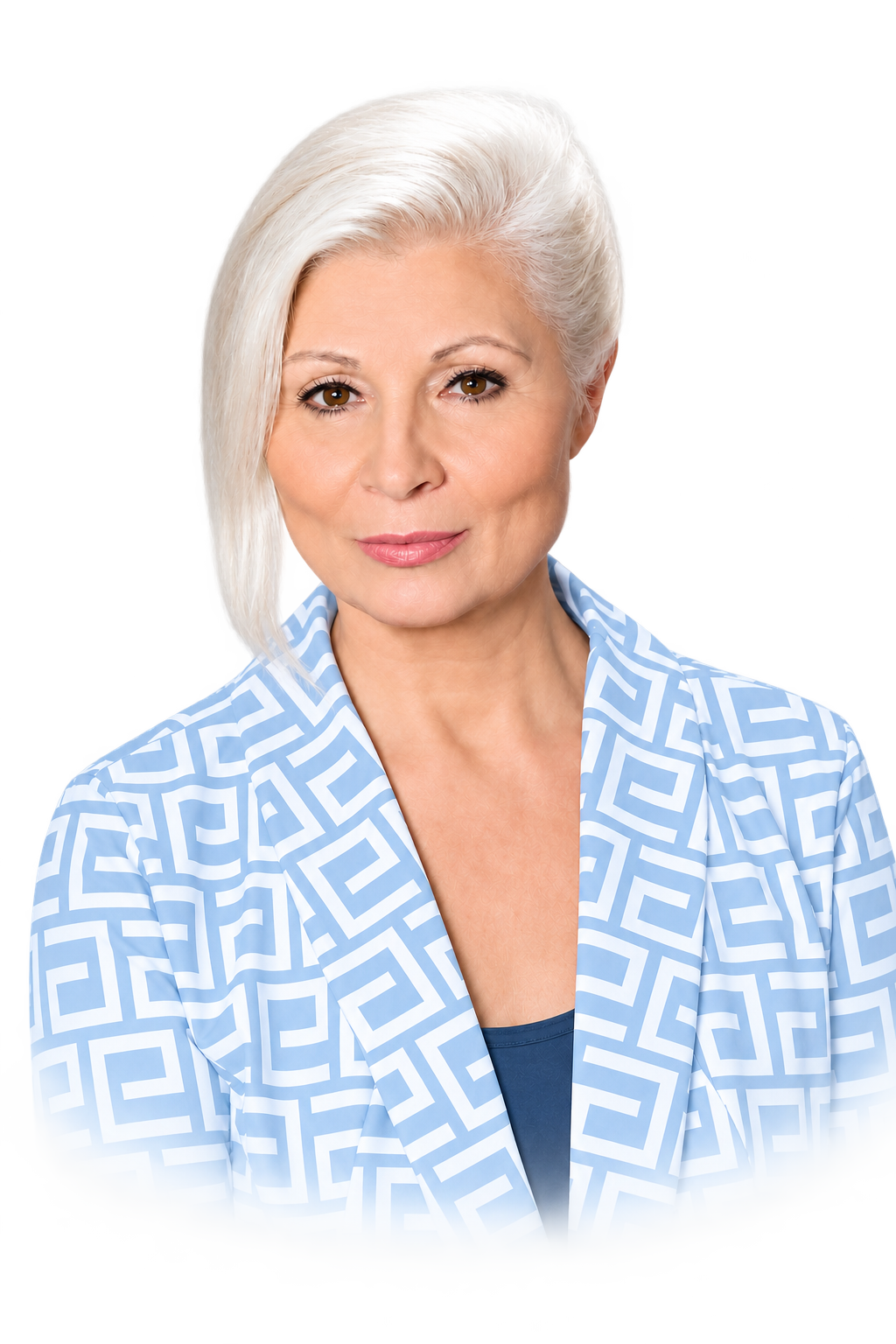
Reviewed by Helga Maria Freitag – medical foot care / podiatrist, sector-restricted naturopath for podiatry and specialist in cryotherapy / cold therapy
Published: · last reviewed:
A Familiar Morning, A Familiar Ache
You wake up, and before your mind is fully alert, your body is. There is that familiar stiffness in your joints, a dull ache that has become an unwelcome part of your morning routine. Perhaps it is the lingering aftermath of an old sports injury, the persistent complaint of an inflammatory condition, or simply the accumulated fatigue from a demanding job and an active life in the beautiful Allgäu region. You go through the motions of your day, but the feeling remains, a background noise of discomfort that affects your mood, your energy, and your focus. Many people in this situation have a well established medical plan but look for complementary methods to support their sense of wellbeing. This is often where the conversation about supportive measures like whole-body cold therapy begins. It is not a quest for a miracle cure, but a search for something that can help you feel better in your own skin, day by day.
Understanding how to integrate a new practice into your life is crucial, and the most common question we hear is not "if" but "how often?". The answer is not a single number but depends entirely on your personal situation, your goals, and your body's unique response. This guide is designed to help you navigate that question, providing a practical framework for using the cold chamber as a supportive element in your overall health strategy.
The Body's Signals: Inflammation, Stress, and Fatigue
To understand how you might use a cold chamber, it helps to first understand the physical processes that often underlie common complaints. Many conditions, from rheumatoid arthritis to the muscle soreness an athlete experiences after a hard training session, involve inflammation. This is your body's natural response to injury or threat, a complex cascade of events designed to protect and heal. However, when this process becomes chronic, it can lead to persistent pain, swelling, and a reduced quality of life. Medical treatment for such conditions is essential and often focuses on managing this inflammatory response.
Another key concept is oxidative stress. This describes an imbalance between free radicals, which are unstable molecules that can damage cells, and antioxidants, which neutralise them. A certain level of oxidative stress is a normal part of metabolism, but factors like intense exercise, chronic inflammation, and environmental stressors can tip the balance. This state is thought to contribute to fatigue and the ageing process.
Fatigue itself is a complex symptom. It is a hallmark of many chronic conditions, such as multiple sclerosis, but it is also a common experience for healthy individuals pushing their physical or mental limits. It is more than just feeling tired; it is a profound sense of exhaustion that rest alone may not alleviate. Established medical care for these issues is paramount, involving accurate diagnosis and a tailored treatment plan from your doctor. Within this framework, some people explore complementary options, like whole-body cold therapy, to help manage symptoms and support their overall feeling of vitality.
Your Session in Memmingen: The Three-Minute Experience
Before discussing frequency, it is useful to picture exactly what a session entails. A visit to our studio in Memmingen is a straightforward and carefully supervised process. We do not simply send you into the cold. Your visit begins with a detailed briefing where we explain the procedure and answer your questions. We will check for any contraindications to ensure your safety.
You then change into appropriate attire:
- Dry swimwear or shorts and a top.
- Gloves, socks, and sturdy footwear, which we provide.
- A headband or beanie to protect your ears.
- A face mask to warm the air you breathe.
You will first enter a pre-chamber set to a less intense temperature for about 30 seconds. This helps your body begin to acclimatise. Then, you step into the main chamber, where the air is a dry, crisp -110 °C. The technology we use involves vortex cooling, which ensures the temperature is stable and evenly distributed, without the harsh, direct blast of air you might find elsewhere.
For approximately three minutes, you will walk slowly and continuously around the chamber. The sensation is one of intense, penetrating cold on the surface of your skin, but it is surprisingly tolerable because the air is completely dry. There is no moisture to rob your body of heat in the way a cold wind or icy water would. Our trained staff will be in constant visual and verbal contact with you throughout the entire session. After your time is up, you exit the chamber, and a feeling of warmth and tingling often spreads through your body as your circulation responds. This entire process is designed to be a brief, potent stimulus.
Finding Your Rhythm: How Often Should You Use Cold Therapy?
The ideal frequency for using the cold chamber is highly individual. It is best understood by considering your primary reason for visiting. We can group this into three general categories, always remembering that these are supportive schedules and should be discussed with your healthcare provider if you are managing a medical condition.
For supporting the management of chronic inflammatory or pain conditions: If you are dealing with conditions like inflammatory rheumatic diseases or the symptoms of multiple sclerosis, a more structured approach is often reported to be beneficial. Many guests start with an initial, intensive phase. This might involve a series of 10 to 20 sessions over a condensed period of two to four weeks. The goal of this "loading" phase is to provide a consistent stimulus. Following this, you might transition to a maintenance schedule of one to three sessions per week, depending on your body's response and your personal schedule. This regularity appears to be important for those seeking sustained support for chronic symptoms. The aim is to find the minimum frequency that helps you maintain a sense of wellbeing.
For athletic recovery and performance: Athletes use whole-body cold therapy with a different rhythm, one that is synchronised with their training and competition cycles. The focus here is on accelerating recovery and reducing exercise-induced muscle soreness.
- During heavy training blocks, an athlete might use the cold chamber two to four times a week, often a few hours after their most intense sessions.
- For recovery after a single, particularly gruelling event like a marathon or a tournament, a session within 24 hours may be used to support the body's repair processes.
- Some athletes also use the cold chamber before a competition, reporting a feeling of activation and alertness.
The use of cold application in sport is aimed at helping the body cope with high physical loads and returning to peak condition more quickly [7, 8].
For general wellness, vitality, and stress reduction: For those without specific athletic or chronic health goals, the use of the cold chamber is more flexible. The aim is to boost your sense of energy, improve sleep quality, or simply build resilience. In this case, a regular rhythm of one or two sessions per week is a common approach. Some guests prefer to come in when they feel particularly stressed or run down, using it as a tool to reset their system. Others make it a fixed part of their weekly routine, like a gym session or a yoga class, to maintain a consistent sense of balance and vitality.
In all cases, the key is to listen to your body. Consistency often yields more noticeable results than sporadic, infrequent visits. Starting with a clear plan and adjusting it based on how you feel is the most effective path.
What the research shows
The scientific community has shown a growing interest in whole-body cold therapy, though the body of evidence is still developing. The available studies provide some interesting, albeit preliminary, insights. It is crucial to view these findings with a calm, scientific perspective, acknowledging their limitations.
One area of focus has been the effect of cold on inflammatory and autoimmune conditions. A systematic review from 2014 looked at the existing research on cryotherapy for inflammatory rheumatic diseases [3]. The authors of the review noted that some studies suggested cold applications could lead to a reduction in pain. However, they also pointed out that many of the studies included were small and methodologically diverse, making it difficult to draw firm, overarching conclusions. Similarly, a study on individuals with multiple sclerosis investigated the effects of a series of whole-body cold sessions on fatigue and functional status [2]. The results indicated that the group receiving the cold therapy reported a significant reduction in fatigue compared to a group that did not. While promising for those affected, the study involved a relatively small number of participants, and the findings need to be replicated in larger, longer-term trials to be confirmed.
Another line of inquiry concerns the impact on the body's internal chemistry, particularly oxidative stress. One study examined healthy men who underwent a series of ten whole-body cold sessions [4]. The researchers measured markers of oxidative stress and antioxidant capacity before and after the series. Their findings suggested that the series of cold exposures led to an increase in the body's antioxidant capacity, potentially enhancing its ability to combat oxidative stress [4]. A different study also on healthy men observed changes in inflammatory markers and white blood cell counts after cold sessions [1]. These types of studies help build a picture of the physiological response to extreme cold, but they are often conducted on specific demographics, like healthy young men, and the results may not be directly transferable to the general population or those with health conditions.
A critical appraisal of the research highlights common limitations across the field [6]. Many studies use small sample sizes, lack a true placebo control (as it is difficult to "blind" someone to the sensation of extreme cold), and have short observation periods. This means that while some results are positive, they must be interpreted with caution. The research provides a plausible basis for some of the effects reported by users, such as reduced pain or a sense of revitalisation, but it does not constitute proof of a cure for any disease. The current evidence suggests that whole-body cold therapy may be a useful supportive modality, but more high-quality research is needed to fully understand its effects and optimal protocols [5, 7].
Integrating Cold Therapy into Your Health Plan
It cannot be stressed enough that a session in the cold chamber is a wellness and recovery service, not a medical treatment. It is intended to complement, not replace, the care you receive from your doctor, physiotherapist, or other healthcare professionals. The most effective approach is an integrated one. Before starting, especially if you have a pre-existing medical condition, a conversation with your doctor is essential. They can provide a diagnosis, prescribe necessary treatments, and advise on whether whole-body cold therapy is a safe and appropriate adjunct for you.
Think of it as one component of a holistic approach to your health. Your overall plan might include:
- Medical treatment prescribed by your doctor.
- A balanced diet rich in anti-inflammatory foods.
- Regular, appropriate exercise.
- Physical therapy or other manual therapies.
- Stress management techniques like mindfulness or meditation.
- Sufficient sleep.
Within this comprehensive plan, regular sessions in the cold chamber can serve as a powerful tool to support your body's resilience and enhance your sense of wellbeing.
Safety First: When the Cold Chamber Is Not for You
While generally safe when performed correctly, the profound physiological response to -110 °C means it is not suitable for everyone. Your safety is our absolute priority, which is why we screen every guest for contraindications. You should not use the cold chamber if you have any of the following conditions:
- Untreated high blood pressure (hypertension)
- A heart attack within the last six months
- Decompensated diseases of the cardiovascular and respiratory system
- Unstable angina pectoris
- A pacemaker or other implanted electronic device
- Peripheral arterial occlusive disease
- Venous thrombosis (blood clots)
- Acute febrile respiratory diseases (e.g., flu)
- Severe anaemia
- Cold allergy (cold urticaria)
- Seizure disorders
- Bacterial and viral skin infections
- Raynaud's syndrome
- Pregnancy
This list is not exhaustive. It is vital to disclose your full medical history to us and to your doctor to ensure a safe experience.
Frequently asked questions
How quickly will I notice an effect from whole-body cold therapy?
The response is very individual. Some people report an immediate sense of alertness and a reduction in pain after just one session. For more chronic issues, it may take a series of five to ten sessions before you notice a cumulative effect on your symptoms or overall wellbeing.
Is using the cold chamber the same as taking an ice bath?
No, the experience and physiological mechanism are quite different. An ice bath uses wet cold, which feels more invasive and leads to a deeper drop in core body temperature. The cold chamber uses dry air, which cools the skin surface rapidly without significantly lowering core temperature, making the three-minute session a powerful but less taxing stimulus.
What is the best thing to do after a cold therapy session?
After your session, it is good to allow your body to warm up naturally. Many people enjoy some light movement, like walking or gentle stretching, to help circulation. It is also important to hydrate well throughout the day.
Can I use the cold chamber if I am just feeling tired or stressed?
Yes, many of our guests use the cold chamber specifically for this purpose. They report that the brief, intense cold provides a mental reset, leaving them feeling energised, focused, and calmer. A single session can be a great tool for managing the effects of a demanding week.
Why is a medical check-up important before starting cold therapy for a health condition?
A medical check-up is crucial for two reasons: safety and effectiveness. Your doctor can confirm you have no underlying conditions that would make extreme cold unsafe for you. They can also ensure that your use of the cold chamber is a supportive part of a comprehensive and medically sound treatment plan.
Does the -110 °C damage your skin?
No, it does not. The air is extremely dry, and the exposure is very brief (around three minutes). This combination cools the surface of the skin very quickly but does not cause tissue damage like frostbite, which typically requires longer exposure to cold and moisture.
Cold therapy in Memmingen
Whole-body cold therapy at Cold Chamber Memmingen is a short, dry cold application at down to –110 °C, lasting about three minutes. Anyone considering cold therapy alongside how often to use the cold chamber should have their suitability assessed by a doctor first. Our session does not replace treatment, it may complement everyday routines.
See the cold therapy procedure, the possible effects and the contraindications.
Regular cold therapy is easy to plan: single sessions, packages and a flat rate are listed under prices, and we are happy to answer questions in person.
Studies and sources
These peer-reviewed publications form the basis of the research described above. They show possible effects, not proven cures. Each title links to the record in the medical database PubMed.
- [1] Do sessions of cryostimulation have influence on white blood cell count, level of IL6 and total oxidative and antioxidative status in healthy men?
Lubkowska A, Szygula Z, Klimek AJ, Torii M (2010), European Journal of Applied Physiology. Measurement of leucocytes, interleukin-6 and antioxidant status in healthy men.
- [2] Whole-body cryostimulation (cryotherapy) provides benefits for fatigue and functional status in multiple sclerosis patients
Miller E, Kostka J, Wlodarczyk T, Dugue B (2016), Acta Neurologica Scandinavica. Study on fatigue and functional status in multiple sclerosis.
- [3] Cryotherapy in inflammatory rheumatic diseases: a systematic review
Guillot X, Tordi N, Mourot L, Demougeot C, Dugue B, Prati C, Wendling D (2014), Expert Review of Clinical Immunology. Systematic review of cold application in inflammatory rheumatic diseases.
- [4] Whole-body cryostimulation as an effective method of reducing oxidative stress in healthy men
Stanek A, Cholewka A, Wielkoszynski T, Romuk E, Sieron K, Sieron A (2016), Advances in Clinical and Experimental Medicine. Investigation of oxidative stress markers after a series of cold exposures.
- [5] Whole- and partial-body cryostimulation/cryotherapy: Current technologies and practical applications
Bouzigon R, Grappe F, Ravier G, Dugue B (2016), Journal of Thermal Biology. Overview of technology, protocols and fields of application of whole-body cold.
- [6] Whole-body cryotherapy: empirical evidence and theoretical perspectives
Bleakley CM, Bieuzen F, Davison GW, Costello JT (2014), Open Access Journal of Sports Medicine. Critical appraisal of the evidence base and of the physiological models.
- [7] Whole-Body Cryotherapy in Athletes: From Therapy to Stimulation. An Updated Review of the Literature
Lombardi G, Ziemann E, Banfi G (2017), Frontiers in Physiology. Review of effects on inflammatory, muscular and metabolic markers in athletes.
- [8] Whole-body cryotherapy in athletes
Banfi G, Lombardi G, Colombini A, Melegati G (2010), Sports Medicine. Early review of application and safety aspects in sport.