Reading time ca. 14 minutes
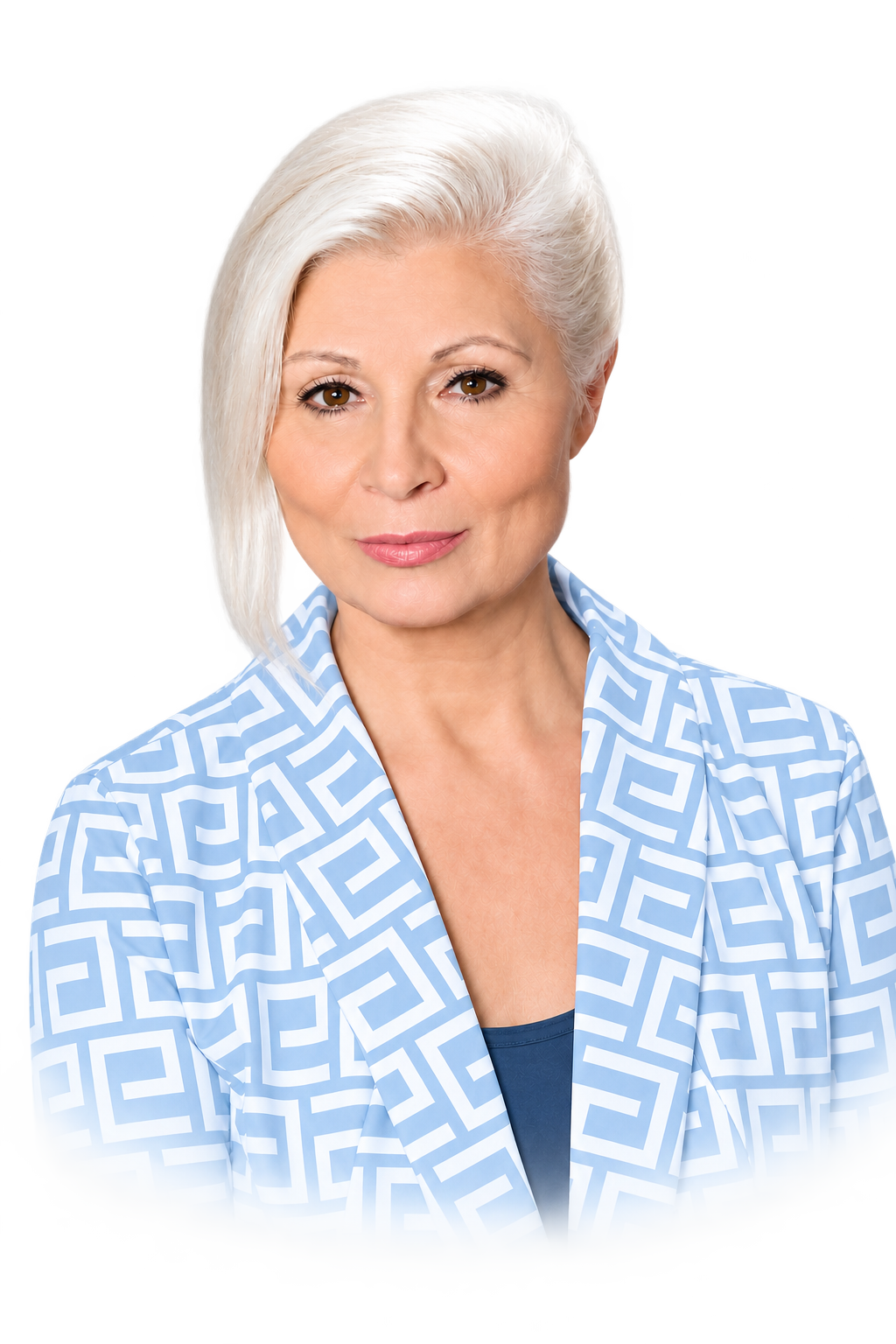
Reviewed by Helga Maria Freitag – medical foot care / podiatrist, sector-restricted naturopath for podiatry and specialist in cryotherapy / cold therapy
Published: · last reviewed:
That Afternoon Slump and the Question of Energy
It is a familiar feeling for many. The clock strikes 3 p.m., and a wave of fatigue washes over you, making concentration difficult and the rest of the workday feel like a mountain to climb. You reach for another coffee, but the energising effect feels shorter and weaker than it used to. Perhaps you have noticed that maintaining your weight requires more effort than before, or you simply feel less vibrant and energetic than you would like. These common experiences often lead people to a single, complex concept: their metabolism. It is the invisible engine that powers every single process in your body, and when it seems to be running slow, the effects are felt throughout your daily life. While a comprehensive approach involving diet, exercise, and sleep is fundamental, many are now exploring complementary methods to support their metabolic health. One such method gaining attention is whole-body cold therapy, a brief, intense exposure to extreme cold that may act as a powerful stimulus for your body's internal systems.
Understanding Your Metabolic Engine
Before exploring how to influence it, it is crucial to understand what your metabolism truly is. Far from being a simple switch you can flip, it is a collection of complex chemical processes that convert what you eat and drink into energy. This energy is measured in calories, and your body uses it for everything, from breathing and circulating blood to repairing cells and, of course, physical activity.
Your total daily energy expenditure is composed of three main parts:
- Basal Metabolic Rate (BMR): This is the largest component, accounting for roughly 60 to 75 percent of the calories you burn each day. It is the energy required to keep your body functioning at rest, essentially the energy cost of being alive. Factors like age, sex, genetics, and muscle mass significantly influence your BMR. More muscle tissue, for instance, is more metabolically active than fat tissue, meaning it burns more calories even when you are not moving.
- Thermic Effect of Food (TEF): Your body uses energy to digest, absorb, and process the nutrients in your food. This accounts for about 10 percent of your daily energy use. Interestingly, different macronutrients have different thermic effects. Protein requires the most energy to process, which is one reason why high protein diets are often associated with metabolic benefits.
- Activity Thermogenesis: This is the most variable component. It includes the energy you burn during planned exercise, like a run or a gym session, as well as the energy used for all other physical movements throughout the day, from walking to your car to fidgeting at your desk. This is known as Non-Exercise Activity Thermogenesis (NEAT), and it can make a surprisingly large difference in your total daily calorie burn.
When people talk about a "slow" metabolism, they are often referring to a lower than expected BMR or a general feeling of low energy, which can stem from a variety of lifestyle factors and, sometimes, underlying medical conditions.
Signs Your Metabolism May Need Support
A less efficient metabolism is not just about weight management. It can manifest in a variety of subtle, persistent symptoms that impact your quality of life. You might experience:
- Persistent fatigue that is not relieved by a good night's sleep.
- Difficulty losing weight despite a sensible diet and exercise.
- Feeling cold more often than those around you.
- Dry skin, brittle nails, and thinning hair.
- Constipation and other digestive irregularities.
- Low mood or difficulty concentrating.
It is critically important to recognise that these symptoms are not specific and can be indicative of various health issues. In particular, an underactive thyroid gland (hypothyroidism) is a common medical cause of a slowed metabolism. Therefore, if you are experiencing several of these symptoms, the first and most important step is to consult your doctor. They can perform blood tests and a full medical evaluation to rule out any underlying conditions and provide a proper diagnosis. The application of whole-body cold therapy is a wellness service and should never be used to self-diagnose or as a substitute for professional medical advice and treatment.
Building a Strong Metabolic Foundation
Any strategy to support your metabolism must be built on a foundation of proven, healthy habits. There are no shortcuts, and methods like cold therapy should be seen as a supportive element to an already solid routine, not a replacement for it.
The cornerstones of metabolic health include:
- Prioritising Protein: As mentioned, protein has a higher thermic effect than fats or carbohydrates. Including a source of quality protein with every meal can slightly increase your daily calorie burn and is essential for building and maintaining calorie-burning muscle mass.
- Embracing Resistance Training: Lifting weights or performing bodyweight exercises is the single most effective way to increase your muscle mass. Because muscle is more metabolically active than fat, having more of it raises your BMR, meaning you burn more calories around the clock.
- Staying Active: Incorporate both structured cardiovascular exercise and plenty of general movement (NEAT) into your day. Taking the stairs, walking during your lunch break, or even just standing up from your desk regularly all contribute to your total energy expenditure.
- Getting Quality Sleep: Chronic sleep deprivation can disrupt the hormones that regulate appetite and metabolism, such as ghrelin and leptin. Aim for seven to nine hours of quality sleep per night to keep these systems in balance.
- Managing Stress: High levels of the stress hormone cortisol can contribute to insulin resistance and encourage the storage of fat, particularly around the abdomen. Finding healthy ways to manage stress, such as mindfulness, yoga, or spending time in nature around our beautiful Allgäu region, is vital.
The Potential Supportive Role of Cold Therapy
This is where a visit to our cold chamber in Memmingen comes into the picture. Whole-body cold therapy involves spending about three minutes in a chamber cooled to an exceptionally low temperature of -110°C. This profound, though brief, shock to the system is thought to trigger a cascade of physiological responses as your body works intensely to protect itself and maintain its core temperature.
The primary mechanism of interest for metabolism is thermogenesis, the process of heat production. When exposed to extreme cold, your body must generate heat to survive. It does this in two ways:
1. Shivering Thermogenesis: This is the familiar, involuntary contraction of muscles to generate heat. It is an effective but short-term response.
2. Non-Shivering Thermogenesis (NST): This is a more subtle, metabolic process. It primarily occurs in specialised tissue known as Brown Adipose Tissue (BAT), or "brown fat". Unlike white fat which stores energy, brown fat is packed with mitochondria and its main job is to burn calories to produce heat. It is a sort of metabolic furnace.
The theory is that repeated exposure to cold could encourage the body to increase its amount of active brown fat, or even encourage some white fat cells to take on brown fat characteristics, a process known as "browning". A body with more active brown fat would theoretically have a slightly higher metabolic rate, as this tissue is primed to burn energy. While the cold in our chamber is dry and vortex cooled, making it more tolerable than damp cold, the stimulus is powerful enough to demand a significant homeostatic response from your body, potentially activating these thermogenic pathways.
What the Research Shows
The scientific community is actively investigating the effects of whole-body cold therapy, though much of the research remains preliminary. It is important to approach the findings with a calm, factual perspective, understanding their context and limitations. The available studies, which we draw on for our understanding, often use small groups of participants, are conducted over short periods, and frequently focus on young, healthy, or athletic populations.
A 2021 review and study that looked at the effects of a series of whole-body cryostimulation sessions observed changes in body composition and metabolic parameters. The research noted some alterations in body mass and fat, alongside shifts in certain metabolic and cardiovascular markers [3]. However, the authors themselves stress that these are initial observations from a specific group of people, and it is too early to say if these results would apply to everyone. The findings are intriguing, suggesting that cold exposure might influence the body's energy balance, but they are not definitive proof of a "metabolism boost" for the general population.
Another line of inquiry has focused on how cold affects the body at a cellular level. A broad 2017 literature review, primarily examining the use of cold therapy in athletes, mentioned that cold exposure influences various metabolic and inflammatory markers [1]. This suggests that the body's response is complex, involving more than just heat production. It may also affect hormones and signalling molecules related to energy use and recovery. For example, some studies have noted changes in levels of adiponectin, a hormone involved in regulating glucose levels and fatty acid breakdown.
Research has also explored the impact of repeated cold sessions on physical performance, which is closely linked to metabolic efficiency. One study had participants undergo ten sessions of whole-body cold therapy and then measured their aerobic and anaerobic capacity. The results indicated potential improvements in physical capacity after the series of exposures [4]. An enhanced ability to perform exercise could indirectly support metabolic health by allowing for more intense or longer workouts.
Finally, some investigations have looked at the effect on the body's antioxidant systems. One study found that a series of ten cold exposures seemed to influence the total antioxidative status in healthy men, suggesting a potential reduction in baseline oxidative stress [6]. A body under less oxidative stress may function more efficiently at a cellular level, which is the very foundation of metabolism.
In summary, the current research provides some plausible mechanisms and interesting preliminary data. It suggests that whole-body cold therapy may create a stimulus that influences metabolic markers, body composition, and antioxidant status [1, 3, 6]. However, the studies are small and more robust, long-term research in diverse populations is needed to understand the true extent and durability of these effects.
Your Cold Therapy Session: A Practical Guide
Understanding the theory is one thing; experiencing it is another. For many of our guests at Kältekammer Memmingen, the session is a unique and invigorating experience. Knowing what to expect can help you feel relaxed and prepared.
You will arrive and change into the provided attire: shorts (for men) or shorts and a top (for women), along with gloves, socks, clogs, a headband to cover your ears, and a medical mask to warm the air you breathe.
The process has two stages:
- First, you will spend about 30 seconds in a pre-chamber set to a less extreme temperature of around -60°C. This allows your body to acclimatise and prepares the surface of your skin for the main event.
- Then, you will step into the main chamber, where the temperature is a stable -110°C. For the next two to three minutes, you will walk slowly in a small circle. Our trained staff will be with you the entire time, visible through the glass door and communicating with you to ensure you feel safe and comfortable.
The cold is intense but, because it is completely dry, it is not the biting, damp cold you might associate with a winter's day. It is often described as a tingling, prickly sensation on the skin. After your three minutes are up, you step out, and the feeling that follows is what brings many people back. A rush of warmth spreads through your body as your circulation rebounds, often accompanied by a feeling of profound refreshment and mental clarity. This powerful rebound effect is your body's metabolic response in action.
Integrating Cold Therapy into a Healthy Routine
Whole-body cold therapy is most effective when it is not a one-off event but part of a consistent lifestyle. To support metabolic health, many of our guests find a routine of two to three sessions per week to be beneficial, often in a block of ten or twenty sessions.
You might choose to schedule your sessions after your workouts. The cold can aid in muscle recovery, which in turn allows you to train more consistently and effectively, supporting the muscle building aspect of your metabolic strategy. Others prefer to start their day with a session, enjoying the mental alertness and energy boost it provides for the hours that follow.
Think of the cold chamber as a tool. It is a powerful, non-invasive stimulus that you can use to challenge and invigorate your body's systems, complementing the hard work you are doing with your nutrition, exercise, and sleep. It is not a passive solution but an active part of your wellness journey.
Safety First: Precautions for Whole-Body Cold Therapy
Your safety is our highest priority. While generally safe for healthy individuals, the extreme temperature places significant stress on the cardiovascular system. Therefore, whole-body cold therapy is not suitable for everyone.
You must not use the cold chamber if you have certain conditions, including but not limited to:
- Untreated high blood pressure (hypertension)
- Heart attack within the last six months
- Decompensated diseases of the cardiovascular and respiratory system
- Unstable angina pectoris
- Peripheral arterial occlusive disease
- Venous thrombosis (blood clots)
- Severe anaemia
- Cold allergy or Raynaud's syndrome
- Pregnancy
This is not an exhaustive list. It is essential that you disclose your full medical history to our staff. If you have any chronic health condition or are unsure if cold therapy is appropriate for you, a thorough consultation with your doctor is mandatory before your first session. We are a wellness and recovery studio, not a medical facility, and we rely on you and your doctor to ensure your suitability for the service.
Frequently asked questions
How does whole-body cold therapy actually feel?
The cold is very intense but dry, which most people find surprisingly manageable for the short duration. You may feel a tingling or "pins and needles" sensation on your skin. Afterwards, a pleasant feeling of warmth rushes through the body, often accompanied by a sense of energy and wellbeing.
Is cold therapy a tool for weight loss?
Whole-body cold therapy should not be considered a primary weight loss method. While it may support metabolic processes that burn calories, its effect is complementary. Lasting weight management is achieved through a sustainable combination of a balanced diet, regular exercise, and healthy lifestyle habits.
How often should I use the cold chamber for metabolic support?
For general wellness and to support metabolic function, many of our guests start with a series of about ten sessions, often spaced over a few weeks. After this initial block, a maintenance routine of one to two sessions per week is common, but the ideal frequency is individual and can be discussed with our team.
What do I need to wear or bring for my session?
You do not need to bring anything special. We provide all the necessary protective clothing, including shorts, socks, gloves, clogs, an earband, and a mask. Your body should be dry, so we ask that you do not apply lotions or moisturisers before your session.
Can cold therapy help if I have a thyroid condition?
If you have a diagnosed thyroid condition, such as hypothyroidism or Hashimoto's, you must consult with your doctor or endocrinologist before considering cold therapy. While some people explore it as a supportive measure, it is crucial to get medical clearance as it can be a strong stimulus for the body.
Are there any side effects from this type of cold therapy?
For most healthy individuals, there are no lasting side effects. The skin will appear red immediately after the session due to the strong return of blood flow, but this subsides quickly. It is vital to follow all instructions and use the provided protective gear to prevent skin irritation from the extreme cold.
How is the cold generated and is it safe?
Our chamber uses a vortex cooling system with ambient air, meaning no nitrogen gas comes into contact with your body. The air is filtered and cooled electrically to create a stable, breathable, and oxygen-rich environment at -110°C, which is continuously monitored for your safety.
Cold therapy in Memmingen
Whole-body cold therapy at Cold Chamber Memmingen is a short, dry cold application at down to –110 °C, lasting about three minutes. Anyone considering cold therapy alongside boosting metabolism should have their suitability assessed by a doctor first. Our session does not replace treatment, it may complement everyday routines.
See the cold therapy procedure, the possible effects and the contraindications.
Regular cold therapy is easy to plan: single sessions, packages and a flat rate are listed under prices, and we are happy to answer questions in person.
Studies and sources
These peer-reviewed publications form the basis of the research described above. They show possible effects, not proven cures. Each title links to the record in the medical database PubMed.
- [1] Whole-Body Cryotherapy in Athletes: From Therapy to Stimulation. An Updated Review of the Literature
Lombardi G, Ziemann E, Banfi G (2017), Frontiers in Physiology. Review of effects on inflammatory, muscular and metabolic markers in athletes.
- [2] Whole-body cryostimulation as an effective method of reducing oxidative stress in healthy men
Stanek A, Cholewka A, Wielkoszynski T, Romuk E, Sieron K, Sieron A (2016), Advances in Clinical and Experimental Medicine. Investigation of oxidative stress markers after a series of cold exposures.
- [3] Related Actions of Whole-Body Cryostimulation on Body Composition, Metabolic and Cardiovascular Parameters
Legrand F, Dugue B, Costello J, et al. (2021), Frontiers in Physiology. Observations on body composition and metabolic and cardiovascular parameters.
- [4] Influence of the ten sessions of the whole body cryostimulation on aerobic and anaerobic capacity
Klimek AT, Lubkowska A, Szygula Z, Chudecka M, Fraczek B (2010), International Journal of Occupational Medicine and Environmental Health. A series of ten cold exposures and its effect on physical capacity.
- [5] Whole-body cryotherapy in athletes
Banfi G, Lombardi G, Colombini A, Melegati G (2010), Sports Medicine. Early review of application and safety aspects in sport.
- [6] Do sessions of cryostimulation have influence on white blood cell count, level of IL6 and total oxidative and antioxidative status in healthy men?
Lubkowska A, Szygula Z, Klimek AJ, Torii M (2010), European Journal of Applied Physiology. Measurement of leucocytes, interleukin-6 and antioxidant status in healthy men.
- [7] Anthropometric characteristics and sex influence magnitude of skin cooling following exposure to whole body cryotherapy
Hammond LE, Cuttell S, Nunley P, Meyler J (2014), BioMed Research International. Skin cooling depending on body composition and sex.
- [8] Thermography study of skin response due to whole-body cryotherapy
Cholewka A, Stanek A, Sieron A, Drzazga Z (2012), Skin Research and Technology. Thermographic observation of the skin response to whole-body cold.